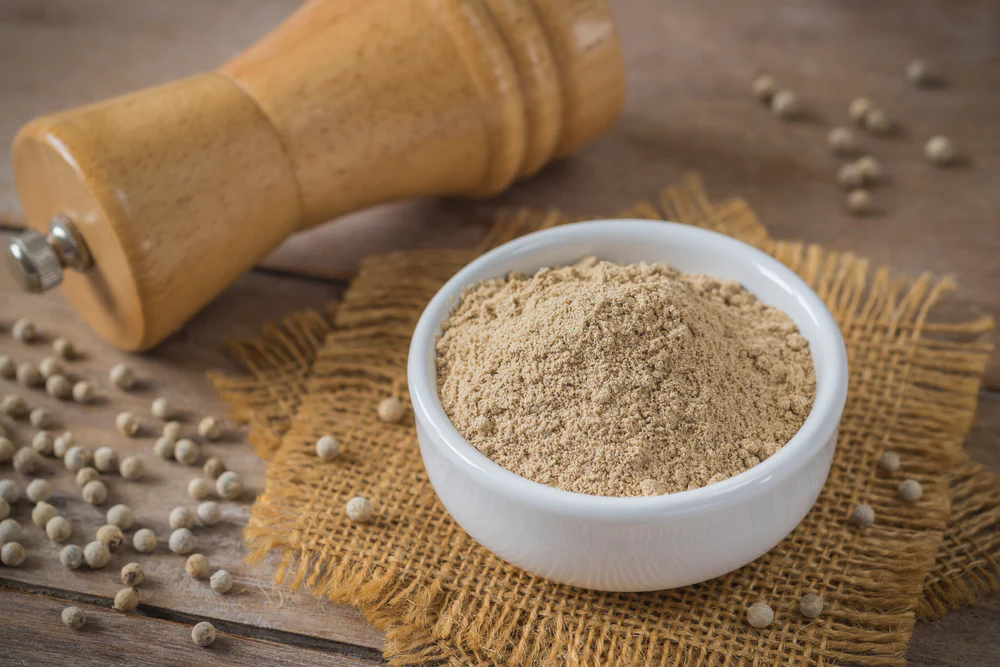
Everything you need to know about white pepper
What is white pepper?
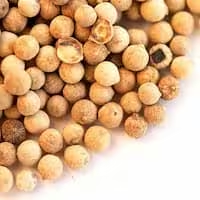
White pepper is a classic and widely used spice that comes from the same pepper plant as black
pepper, but it is processed in a different way. After the pepper berries are fully ripe, the dark
outer skin is removed, leaving behind the pale inner seed that becomes white pepper. This small
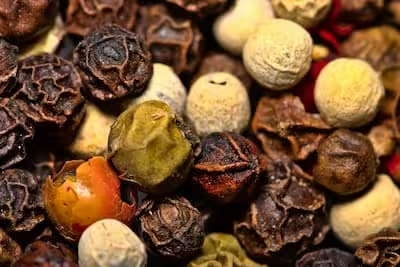
change in processing gives white pepper a flavour that is milder, earthier, and slightly smoother
compared to black pepper. Unlike black pepper, white pepper blends easily into dishes without
leaving visible dark specks, making it a popular choice for light-coloured foods such as creamy
sauces, soups, mashed potatoes, and rice dishes. Its subtle heat adds depth and warmth without
overpowering other ingredients, which is why white pepper is often preferred in professional
kitchens and traditional recipes around the world.
How it's made (simple process)
To make white pepper, fully ripe pepper berries are carefully soaked in water for several
days until the outer layer softens and loosens naturally. Once this process is complete, the
dark skin is gently rubbed off, leaving only the pale inner seed behind. These seeds are
then thoroughly washed and dried under controlled conditions to preserve their quality and
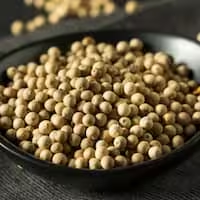
aroma. After drying, white pepper can be sold as whole peppercorns or finely ground into
powder, depending on how it will be used.
Best ways to use it
White pepper works especially well in light-coloured dishes where a clean and smooth
appearance is important, such as soups, mashed potatoes, creamy sauces, rice dishes, and
noodles. Because it blends easily into food without leaving dark specks, it is often
preferred over black pepper in recipes where presentation matters. When using white pepper,
it is best to start with a small pinch, taste the dish, and then gradually add more, as the
flavour can feel stronger than expected.
Storage tips so it stays fresh
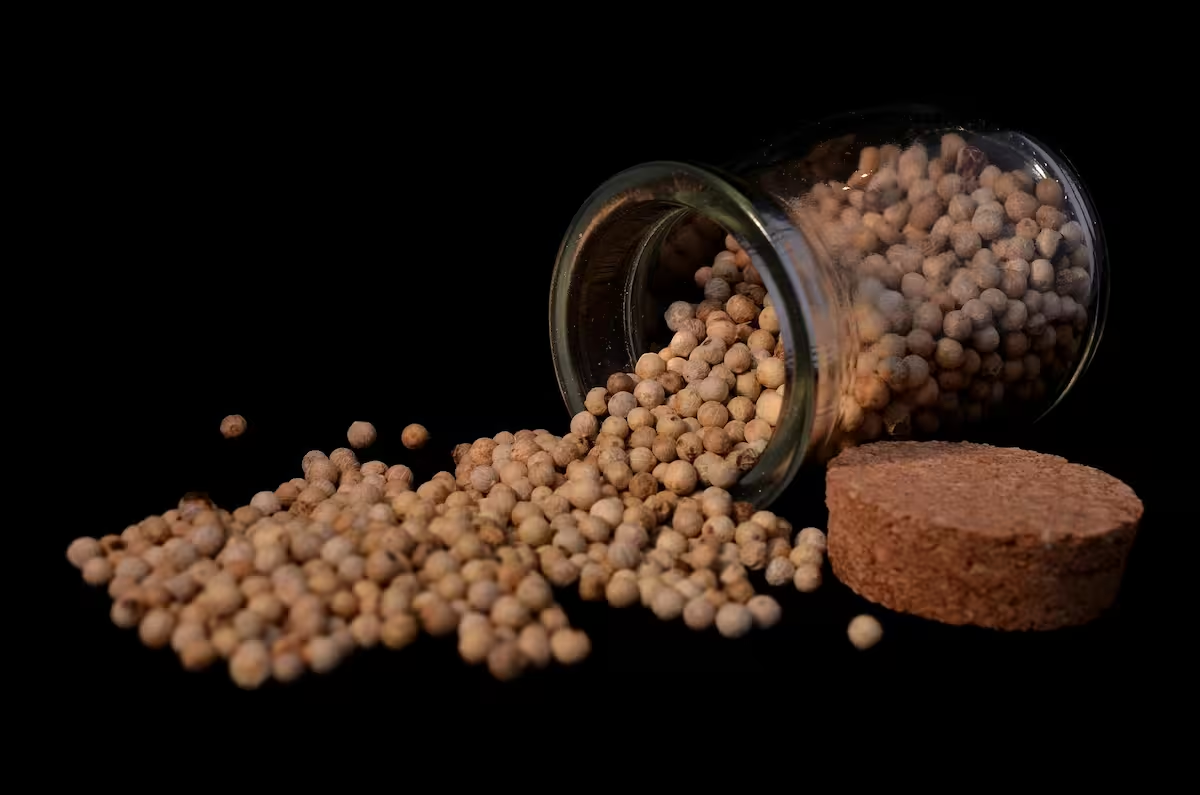
For the best flavour and aroma, white pepper should always be stored in an airtight container and
kept away from heat, moisture, and direct sunlight. Exposure to air and light can slowly reduce its
strength and make the flavour dull over time. Whole white peppercorns stay fresh much longer than
pre-ground pepper because the natural oils are protected inside the seed. When pepper is already
ground, those oils escape more quickly, which causes the taste to fade. If possible, it is better to
buy whole peppercorns and grind only small amounts when needed. This helps keep the aroma stronger,
the flavour cleaner, and the pepper tasting fresh every time you use it.
Health Benefits of White Pepper
White pepper is not only a common spice used in kitchens around the world, but it also has several benefits when used in everyday cooking. It contains natural compounds that may help support digestion and improve the overall flavour of food. In many traditional cuisines, white pepper is used in soups, broths, and sauces because it adds warmth without making the dish too spicy. Its flavour is smoother and slightly earthy compared to black pepper, which makes it easier to blend with delicate ingredients.
Another reason white pepper is popular in cooking is its ability to enhance flavour without changing the appearance of the dish. Since it does not leave dark specks like black pepper, chefs often prefer it in creamy sauces, mashed potatoes, and light-coloured soups. This makes the dish look clean and professional while still adding a subtle layer of spice.
When used in small amounts, white pepper can balance flavours and bring out the natural taste of ingredients. It pairs well with vegetables, rice dishes, noodles, seafood, and many types of sauces. By adding just a pinch at the right time during cooking, you can make a simple meal taste richer and more complete.